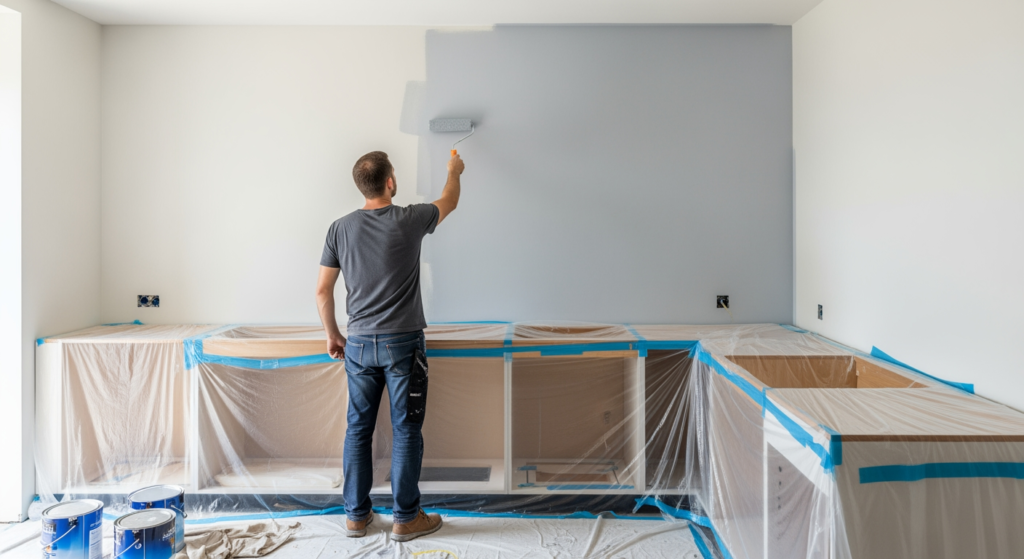
Quick answer: An affordable kitchen remodel comes from smart choices, not cheap shortcuts: keep the existing layout when possible, reuse or refinish what’s in good shape, choose durable mid-range finishes, and focus spending on the parts you touch every day (cabinets, counters, lighting). Get a detailed scope, confirm what’s included, and plan for a small contingency so surprises don’t blow the budget.
What “Affordable” Really Means in a Kitchen Remodel
“Affordable” isn’t a single price tag—it’s a remodel that fits your budget while still improving function, durability, and day-to-day comfort. The goal is to avoid spending money on changes you won’t feel (like moving plumbing across the room) and put it toward upgrades you’ll notice every time you cook, clean, or host.
A good starting point is to define what you need the kitchen to do better: more storage, better lighting, easier cleanup, or improved traffic flow. Once those priorities are clear, a contractor can suggest a realistic scope that stays within reach—often by keeping the footprint and working with what already exists. If you’re browsing options for an affordable kitchen remodel, look for examples that balance practical materials with clean, careful installation.
Affordable also means fewer surprises. A clear plan, accurate measurements, and a written list of inclusions (demo, disposal, trim, paint, hardware, and final touch-ups) help prevent “budget creep” from small omissions.
Where to Spend and Where to Save
If you want the kitchen to feel upgraded without overspending, put money into items that affect daily use and long-term wear. Cabinets (or cabinet modifications), counters, and lighting usually deliver the biggest quality-of-life improvement.
Saving money often comes from choosing simpler, proven options rather than bargain-bin materials. For example, stock or semi-custom cabinets can look great with the right layout and trim details. Many homeowners also save by keeping existing appliance locations, selecting a standard-size sink, and choosing a backsplash that’s easy to install and clean. Another smart saver is refinishing or repainting cabinetry when the boxes are solid, then upgrading hinges, pulls, and organization inserts for a “new kitchen” feel.
What usually costs more than people expect: moving plumbing or gas lines, opening walls, correcting old wiring, and fixing uneven floors. If any of those are likely in your home, plan for them early so they don’t derail the project halfway through.
How to Keep the Project on Budget and on Schedule
The fastest way to lose control of cost is to start without a complete scope. Before work begins, make sure you have a written plan that covers materials, allowances, and who is responsible for ordering, delivery, and handling damaged items. Ask how change orders are priced so you can make decisions with your eyes open.
Selections matter for timing. Cabinets, specialty tile, and custom counters can have longer lead times, so picking them early prevents delays that add labor costs. If you’re trying to stay affordable, choose readily available finishes and avoid last-minute swaps that require rework.
Finally, keep a small contingency reserved for true surprises—like hidden water damage behind a sink base. Having that cushion lets you fix problems correctly instead of patching them just to stay on the original number.
What to Ask a Contractor Before You Sign
A budget-friendly remodel still needs solid craftsmanship. Ask how the contractor protects your home during demo, how they handle dust and debris, and what the day-to-day schedule looks like. Clarify who is pulling permits if they’re needed and whether the quote includes disposal, trim, paint, and final punch-list fixes.
It’s also fair to ask about material recommendations at different price points. A good pro can explain which upgrades are worth it (like better drawer slides or improved task lighting) and which are mostly cosmetic. Make sure you understand the warranty on labor and how any issues after completion are handled.
If you want help mapping priorities to a realistic scope and getting the details right, Tipton’s Fine-Tuned Carpentry is the place to get help.